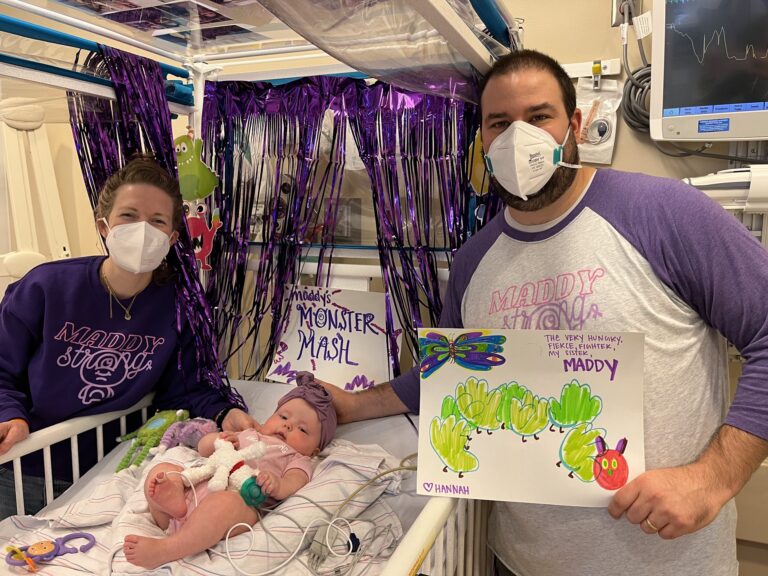
A gentle guide for families navigating a baby’s cancer diagnosis
When your baby is diagnosed with cancer, everything narrows to one thing: protecting them.
And yet, quietly and quickly, financial pressure begins to build.
This guide is here to help you take small, steady steps, with clarity and kindness toward yourself.
Right Now, Today
You may still be in shock. That’s okay. Just start here.
1. Meet With the Hospital Support Team
Ask to speak with:
- A financial counselor
- A social worker
They can help you:
- Apply for hospital financial assistance
- Set up manageable payment plans
- Access meal vouchers and parking passes
- Identify emergency grant programs
It is easier to ask early than to untangle stress later. You deserve support.
2. Understand Your Insurance or What Options for Secondary Insurance Per State Might Be
- What is our deductible?
- What is our out-of-pocket maximum?
- Does treatment require prior authorization?
- Are all providers in-network?
- In the state we live in, is there a secondary insurance option for your baby?
- Because I have a baby with cancer, and could you apply for your baby to have the hospital as their home?
- Can you move to the state your hospital is in? Does this help with insurance?
- Can you get paid as a caregiver in your state?
3. Talk to Your Employer
If you work, contact HR as soon as possible.
Ask about:
FMLA (Family and Medical Leave Act)
Family and Medical Leave Act of 1993
This protects your job for up to 12 weeks.
Also ask about:
- Short-term disability
- PTO donation programs
- Flexible or remote work
- Employee hardship funds
You do not need to have all the answers yet, and it is very overwhelming! We understand. Just begin the conversation.
DURING Treatment
This is often when expenses multiply.
You may face:
- Travel and gas costs
- Parking fees
- Meals away from home
- Childcare for siblings
- Missed work or reduced income
Please know: this strain is common. You are not failing. The system is simply expensive.
1. Explore Housing Support
If your baby is treated far from home, lodging matters.
Here are two organizations that support long-term stays:
Your hospital may also provide:
- Discounted hotel partnerships (ask your social workers)
- Gas cards
- Transportation assistance
Ask. Even if it feels uncomfortable. This is what these programs are for.
3. How Do I Stay Organized
Keep:
- A folder (paper or digital) for bills
- Notes from insurance calls
- Copies of approvals and denials
If a claim is denied, you can appeal. Many are reversed. Your hospital can help with this too!
Take this one piece at a time. It does not have to be perfect.
4. If You Choose to Fundraise
Some families invite community support through fundraising (on sites like GoFundMe).
If that feels right:
- Ask one trusted person to manage it
- Protect your baby’s privacy
- Be clear about how funds will be used
Receiving help does not mean you are weak. It means you are loved.
After Treatment (no matter what that looks like)
Even when treatment ends, financial impact may continue.
You may face:
- Follow-up appointments
- Therapy services (PT, OT, speech)
- Developmental support
- Career disruption from time away
And, if your baby is no longer here, first we are so sorry. We know what this anguish is like. And, there are organizations that can help. Here is a gentle blog post about bereavement we’d love to invite you to read.
A Gentle Reminder
Financial stress can quietly layer on top of emotional exhaustion.
You are doing something extraordinary: caring for your baby in the hardest possible circumstances.
Start early. Ask for help. Talk to your social worker. Keep records. Accept support.
You do not have to carry this alone.
Love,
Your Madelyn James Community
Maddy Double Waves to our sponsor at Ymabs!
Help us keep families together.
Every gift supports low-income families through pediatric cancer treatment.
Donate now